






Bishops Park garden rubbish removal and reuse options Fulham
Posted on 13/07/2026
If you have ever stood in a Bishops Park garden after a weekend tidy-up and wondered what to do with the piles of cuttings, broken pots, old timber, and awkward green waste, you are not alone. Bishops Park garden rubbish removal and reuse options Fulham is really about making a simple choice easier: what can be collected, what can be reused, and what should be handled as garden waste. In a place like Fulham, where outdoor space is often precious and every clear corner matters, getting this right saves time, keeps access tidy, and makes the whole garden feel usable again.
There is also a calmer side to the job. Some of that "rubbish" is not rubbish at all. A stack of terracotta pots, a solid bench with a bit of repair work, timber offcuts, or even clean topsoil bags may have a second life. Truth be told, that part is often overlooked. This guide walks through the practical options, the common pitfalls, and the best way to decide what to remove, reuse, donate, or dispose of responsibly.
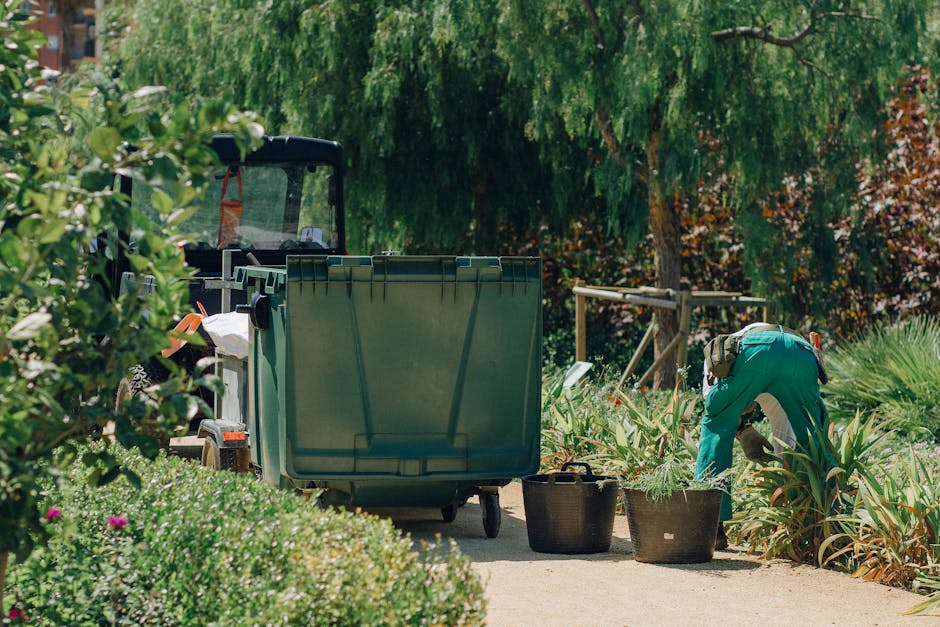
Why Bishops Park garden rubbish removal and reuse options Fulham Matters
Garden clearances in Bishops Park and the wider Fulham area tend to create a mixed bag of materials. You get green waste, yes, but also old compost bags, cracked planters, faded furniture, hedge trimmings, soil, branches, broken fencing, and the occasional mystery item that was left behind "just for now". If you leave it too long, the garden starts to feel smaller, messier, and less inviting. That is especially noticeable in urban homes where outdoor space has to earn its keep.
What makes this topic important is not just cleanliness. It is about efficiency and judgement. A lot of garden debris can be reused, repurposed, or separated for a better disposal route. And that matters because throwing everything into one pile is usually the least thoughtful option. It can also mean extra labour, heavier loads, and more expensive clearance than necessary. A smart sort at the start often saves more than people expect.
There is another practical angle too. Bishops Park sits in a busy part of Fulham, where access can be tight and neighbours are close enough to notice if waste is left out for too long. A tidy, planned clearance keeps pathways open, avoids trip hazards, and reduces the chance of garden waste blowing around on a breezy afternoon. Anyone who has chased leaves down a driveway knows the feeling.
If your project is bigger than a simple cut-back, it may help to look at broader support such as garden waste removal in Fulham, or even wider waste clearance services when the job includes mixed items rather than only green waste. For larger outdoor refurbishments, builders waste disposal in Fulham can also be relevant if the work includes broken paving, timber, or old fixings.
How Bishops Park garden rubbish removal and reuse options Fulham Works
The process is usually simpler than people imagine. First, you identify what is actually in the pile. Then you separate what can stay, what can be reused, and what needs removal. After that, the remaining waste is loaded, sorted, and directed to the right destination. Simple on paper. Slightly less simple after an overgrown hedge has been cut back and the garden suddenly produces three times more material than expected.
In practice, the best approach is to split garden material into a few clear groups:
- Reusable items such as intact pots, storage boxes, garden furniture, edging, trellis, and usable timber.
- Green waste such as grass cuttings, leaves, hedge trimmings, branches, roots, and plants.
- Bulky mixed waste such as damaged furniture, broken tools, old barriers, or worn-out outdoor fittings.
- Heavy or awkward waste such as soil, rubble, old planters filled with debris, or wet compost.
Once the waste is sorted, the reusable items can be kept on-site, repaired, passed on, or stored for future use. The rest should be removed through a route that matches the material. That is important because garden waste is not all treated the same way. Wet green waste behaves very differently from dry timber or broken ceramic, and mixing everything together can make sensible reuse impossible.
If you are comparing options, the wider services overview is useful for understanding how different clearance types fit together. For some households, the work is mainly seasonal trimming. For others, it is part of a bigger home reset, perhaps tied to a move or a renovation. In those cases, house clearance in Fulham may also sit alongside the garden job, especially where sheds, loft access, or side returns are involved.
Key Benefits and Practical Advantages
There are some obvious benefits, and a few that only become clear once the job is done. The obvious one is a cleaner outdoor space. The less obvious ones are often the more valuable.
- More usable space: Once clutter is gone, you can actually walk, sit, plant, or store things properly.
- Better reuse outcomes: Items in decent condition do not need to become waste by default.
- Lower disposal volume: Sorting properly can reduce the amount that needs full clearance.
- Less handling later: When waste is grouped correctly, the job is usually faster and less fiddly.
- Safer paths and entrances: No loose branches, no old bags, no hidden nails in the grass.
- Cleaner appearance for neighbours and visitors: A big win in tightly packed Fulham streets.
There is also a subtle practical advantage: a sorted garden is easier to maintain. A lot of people do a huge clear-out and then, three weeks later, the same corner starts collecting junk again because there was never a proper home for the spare pots, tools, or bags of bark. Reuse helps break that cycle. It gives useful items a purpose instead of letting them drift back into the "I'll deal with it later" category.
For Fulham residents who care about tidy presentation, especially near high-footfall spots such as Fulham Broadway or busy residential roads, a well-managed clearance can make a noticeable difference straight away. The garden simply feels better. Quieter, maybe. Less cluttered. More yours again.
Who This Is For and When It Makes Sense
This service area is not only for major garden overhauls. In fact, some of the most common requests are quite modest. A few branches after pruning, a pile of old potting soil, damaged planters, a broken parasol base, or a run of bags left after re-landscaping. You do not need a huge project to justify getting proper help.
It makes sense if you are:
- refreshing a small back garden, terrace, or courtyard
- clearing after hedge trimming or tree work
- replacing decking, fencing, or patio features
- making a rental property look presentable between tenancies
- preparing for a sale or letting photoshoot
- sorting out accumulated outdoor clutter that has quietly built up over time
It also makes sense if you want a more environmentally thoughtful outcome. Not every item needs to be thrown away. A cracked but repairable pot may be reused. A stable bench could be sanded and repainted. Timber offcuts can be cut down for small projects. Even old garden sleepers sometimes have value if they are still structurally sound. The trick is being honest about what is actually usable. If it is splintering, rotting, or warped beyond comfort, let it go.
For people living near transport links, flats, or mixed-use streets, timing matters too. Busy stretches around Fulham can make access awkward, so removing waste efficiently is not just neatness; it is practical planning. On days when traffic is already doing its usual London thing, a tidy collection plan is worth its weight in gold. Or at least in broken flowerpots.
Step-by-Step Guidance
If you want the simplest route through the job, use this order. It keeps the process grounded and stops you from making decisions while standing in front of a chaotic heap of branches. Which, to be fair, is when most people start guessing.
- Walk the space first. Look at the garden as a whole, not just the pile. Notice access points, slippery patches, stairs, narrow side entrances, and anything heavy.
- Separate reusable items. Put aside anything that still has life in it: tubs, tools, watering cans, furniture, decorative items, edging, and usable timber.
- Group green waste together. Keep cuttings, leaves, branches, and plants together so they can be handled as one stream where possible.
- Isolate heavy or awkward items. Soil, wet compost, broken slabs, and rubble need different handling from light organic waste.
- Protect the garden surface. If the ground is damp or soft, use boards or careful lifting so you do not churn up the lawn or bedding areas.
- Load methodically. Put the heaviest items in first if needed, but keep reusable pieces separate so they are not damaged in transit.
- Do a final sweep. Small bits of wire, broken plastic, nails, and fragments of ceramic are easy to miss.
Here is the part many people skip: decide on reuse before you start throwing things away. A quick "keep, repair, donate, remove" sort saves confusion later. It also avoids the awkward moment where a decent planter ends up under a pile of soggy leaves. Happens all the time, honestly.
If the work is happening alongside other property maintenance, it may be worth understanding how general rubbish removal in Fulham differs from a garden-only job. The more mixed the load, the more important it becomes to sort carefully. That is especially true if the garden clearance also includes shed contents, old boxes, or household items from a larger project.
Expert Tips for Better Results
Small decisions make a big difference with garden clearances. A few practical habits can keep the job easier, cheaper, and less wasteful.
- Do reuse sorting before wet weather arrives. Wet cardboard, soaked timber, and waterlogged compost become heavier and messier very quickly.
- Keep clean items clean. A reusable pot covered in mud is still reusable, but clean items are much easier to store or pass on.
- Trim waste down a little where safe. Long branches and oversized offcuts can waste a lot of space if left full length.
- Use stackable boxes or bags for salvageable items. It sounds basic, but it prevents accidental breakage.
- Label anything you want to keep. Especially if the garden is being cleared by several people.
- Think in zones. One area for reuse, one for green waste, one for heavy waste. Much calmer.
Another tip: if you are planning to refresh the whole outdoor space, bring the reuse question in early. A simple garden chair might still be fine after a coat of paint. A basic wooden planter may not need replacing, only sanding. The same goes for decorative stones or edging materials. Sometimes the best environmental choice is the cheapest one too. Funny how that works.
If you are dealing with awkward access or mixed contents, browsing the wider site's recycling and sustainability approach can help frame the thinking. It is not about perfection. It is about making better decisions on the day.
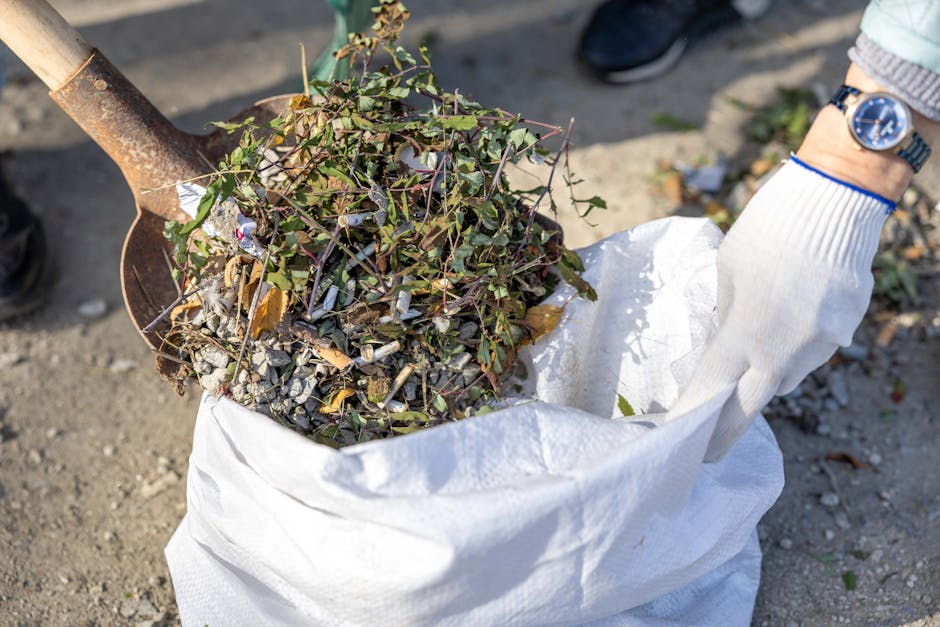
Common Mistakes to Avoid
Most garden clear-out headaches come from rushing. Not from the work itself, but from assuming everything can be piled together and sorted later. That usually ends with a heavier load, damaged reusable items, and a longer job than expected.
- Mixing reusable items with wet green waste. Once a good item is soaked or stained, its value drops fast.
- Leaving hidden fixings in timber. Nails, screws, and staples can cause injuries and damage.
- Underestimating soil weight. Soil is deceptively heavy, especially in bags that have absorbed moisture.
- Forgetting access constraints. Narrow side passages and steps matter more than people think.
- Ignoring sharp debris. Broken pots, glass, and metal fragments can be tucked under leaves.
- Assuming every old garden item is useless. Some of it really can be kept or passed on.
The biggest one? Trying to do the whole thing in one chaotic sweep without a sorting plan. That is how a tidy garden turns into a half-finished one. You end up standing there at dusk, hands covered in compost, wondering why the old bench is now buried behind a mystery pile. Better to pause and sort properly from the start.
Tools, Resources and Recommendations
You do not need a shed full of specialist kit, but a few sensible tools make the job easier and safer.
- Heavy-duty sacks or crates for green waste and small reusable items
- Gloves with enough grip to handle damp branches and rough timber
- Secateurs or loppers for reducing branch size where appropriate
- Wheelbarrow or sturdy tub for moving heavier loads
- Dustpan and brush for the final sweep of soil and grit
- Tarpaulin to keep piles contained and make loading easier
For larger or mixed garden projects, you may also want to compare specialist service types. garden waste removal in Fulham suits organic material and tidy-ups. waste clearance in Fulham is better when the garden contains a mix of garden debris and general rubbish. And if the project involves old sheds, broken slabs, or construction leftovers, builders waste disposal may fit better.
If you are unsure which route matches your situation, start by asking one question: is this mostly green material, mostly reusable outdoor items, or a mixture of both? That one answer narrows the choice quickly. It is a surprisingly good filter.
Law, Compliance, Standards, or Best Practice
When handling waste in the UK, the main principle is simple: make sure it goes to the right place and is handled responsibly. You do not need to turn into a compliance expert, but you do need to avoid careless disposal. Garden waste, mixed waste, and reusable goods all deserve proper separation where possible.
In practical terms, that means a few things. Do not assume garden waste can be dumped with anything else. Do not place sharp or hazardous items where they could injure someone. Do not mix reusable goods into waste streams if they still have clear life left in them. And if you are hiring help, check that the provider takes safety, handling, and disposal seriously.
For residents and landlords in Fulham, it is also sensible to keep shared access areas clear and to avoid leaving bags or cuttings where they block paths, entrances, or bins. That is especially important in tighter streets and shared outdoor spaces. Best practice is usually the boring option, but it is the one that works.
Where uncertainty exists about a particular item, err on the cautious side. Items contaminated with soil, mould, rot, or residues may not be suitable for reuse. Likewise, cracked stone, unstable furniture, or timber with hidden fixings should be treated as waste rather than "maybe later". A neat rule of thumb: if you would not comfortably hand it to a neighbour, it probably is not reuse-ready.
Options, Methods, or Comparison Table
There are several ways to handle Bishops Park garden rubbish removal and reuse options Fulham, and the best choice depends on the type of material, the amount involved, and how much time you have. This table gives a simple comparison.
| Option | Best for | Pros | Watch out for |
|---|---|---|---|
| Keep and reuse on-site | Good-condition pots, tools, furniture, timber, edging | No disposal cost for the item, less waste, easy to act on quickly | Needs storage space and an honest assessment of condition |
| Repair or refurbish | Solid but worn items, such as benches or planters | Extends item life, often cheaper than replacing | Only worth it if the item is structurally sound |
| Donate or pass on | Clean, usable garden items | Useful for others, reduces waste, feels satisfying | Only suitable if the item is safe and presentable |
| Garden waste removal | Branches, leaves, grass cuttings, plants | Fast, tidy, suitable for organic material | Wet waste can be heavy; separate reuse items first |
| General waste clearance | Mixed outdoor clutter and broken items | Flexible for varied loads | Less efficient if you do not sort first |
In real life, the best approach is often a combination. Reuse the good bits, remove the rest through the right channel, and keep the garden surface protected while you do it. Simple enough, but that simple structure is what saves time.
Case Study or Real-World Example
Imagine a small Bishop's Park-facing back garden after a long season of neglect. The owner has trimmed a hedge, pulled up some tired bedding plants, and found an old bench, three cracked pots, a bag of compost, and a stack of timber offcuts from a previous project. On the face of it, it looks like one heap. In reality, it is four different decisions.
The bench is checked first. It is a little faded, but still solid. That gets set aside for sanding and repainting. The intact pots are cleaned and stored for spring planting. The compost bag is split from the reusable items because it is heavy and damp. The hedge trimmings and pulled plants are grouped as green waste, while the timber offcuts are looked over for nails and rot before anything else happens.
That small bit of sorting changes everything. The load becomes lighter. The garden feels less overwhelming. Nothing useful is thrown out by mistake. And because the disposal is organised properly, the whole space can be reset in one go instead of dragging on for another weekend. It is not glamorous, but it is effective, and sometimes that is exactly what you want.
If the same household were also doing an indoor clear-out, a broader service like house clearance in Fulham could complement the garden work well. That is a common pattern in spring, after a move, or before putting a property on the market.
Practical Checklist
Use this checklist before and during the clearance. It helps keep things moving and avoids the usual last-minute muddle.
- Identify reusable items first
- Separate green waste from general rubbish
- Check for nails, screws, and sharp edges
- Keep soil and compost in their own group
- Protect paths, steps, and lawn edges
- Measure access if bulky items need carrying through tight spaces
- Decide what stays, what is repaired, and what leaves
- Do a final sweep for small fragments and debris
- Leave the garden ready for the next job, not just emptied
Practical summary: the best Bishops Park garden clearance is rarely the one that removes the most items. It is the one that removes the right items, keeps the useful ones, and leaves the space genuinely easier to live with.
If you are planning the work soon, it helps to line up the service fit, budget, and urgency early. A quick look at pricing and quotes can be a sensible next step when you want to compare options without fuss.
Get a free quote today and see how much you can save.
Conclusion
Bishops Park garden rubbish removal and reuse options Fulham is really about bringing order to a space that has started to collect too much of everything. Not all of it is waste. Some pieces are worth keeping, some are worth repairing, and some should be removed cleanly and without delay. Once you treat the job as a sorting exercise rather than a dumping exercise, the whole thing becomes less stressful and far more useful.
In a Fulham garden, where space is precious and good outdoor areas make a real difference to daily life, that kind of thoughtful approach matters. It protects what is still useful, clears what is not, and gives you back a space that feels calm again. And honestly, that first moment when you step back and see the garden open up? Hard to beat.
A little less clutter. A little more breathing room. That is often enough.


 Tipper Van - Rubbish Removal and Waste Clearance Prices in Fulham, SW6
 Luton Van -Rubbish Removal and Waste Clearance Prices in Fulham, SW6