






Fulham Broadway rubbish removal for flats and shops
Posted on 08/06/2026
Fulham Broadway has a rhythm of its own. Flats with tight hallways, busy shopfronts, deliveries arriving before breakfast, and waste that somehow builds up faster than anyone expects. If you are looking for Fulham Broadway rubbish removal for flats and shops, you probably want something simple: a service that turns up on time, clears everything properly, and does not create drama in the stairwell or outside your premises.
That sounds straightforward, but in real life it rarely is. Shared entrances, limited parking, landlord rules, trade waste, awkward bulky items, and the everyday pressure of keeping a home or business looking presentable can make rubbish clearance feel like one more task you do not have time for. This guide walks through how local rubbish removal works, what to expect, where the pitfalls are, and how to choose the right approach for flats and shops around Fulham Broadway.
If you are comparing services, it may also help to look at the wider services overview and the company's recycling and sustainability approach so you understand how waste is handled after collection. That part matters more than people think.
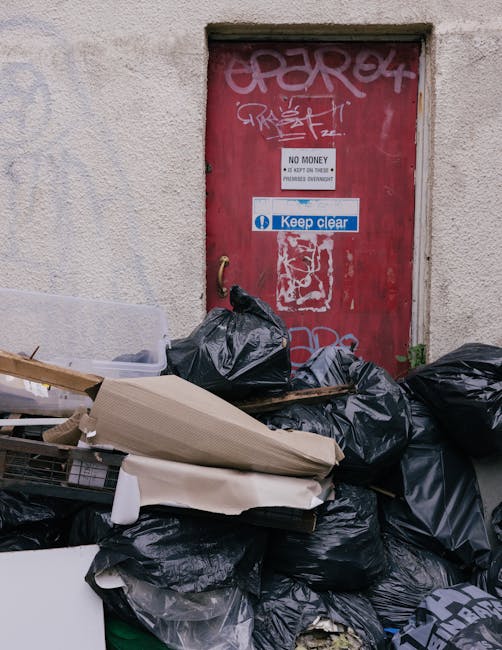
Why Fulham Broadway rubbish removal for flats and shops matters
At Fulham Broadway, waste is not just waste. It affects how a building feels, how customers perceive a shop, and how smoothly everyday life runs. A few bags left in the wrong place can make a communal entrance look neglected. A broken display unit or old stock box left outside a shop can quickly become an eyesore. And if you live in a flat, you already know how one person's "I'll move it later" becomes everybody's problem.
For flats, rubbish removal is often about space and peace of mind. Maybe you are clearing out after a move. Maybe the loft has become a graveyard for broken chairs, flattened boxes, and a kettle from another century. In shared buildings, the issue is rarely the amount alone. It is the timing, the access, and the fact that one wrong pile can block a hallway or annoy the neighbours. Let's face it, no one wants to be the person who causes the bin store to smell by Friday afternoon.
For shops, the stakes are more visible. Retail and hospitality premises around busy areas need to stay clean, safe, and welcoming. Regular waste builds up quickly: packaging, damaged stock, old fixtures, cardboard, and end-of-season displays. If clearance is delayed, it can crowd stockrooms, slow staff down, and make the front of house look shabby. Customers notice. Even if they do not say anything, they notice.
There is also a practical side. Proper rubbish removal helps reduce trip hazards, keeps access routes clear, and makes it easier to stay organised. That matters in flats with shared entrances and in shops where staff need to move fast. A good clearance routine is not glamorous, but it is one of those background things that makes life easier every single week.
For local context and day-to-day area insight, some readers also like browsing the guide on living in Fulham and the broader piece on Fulham's neighbourhood character. It is not directly about rubbish removal, of course, but it helps explain why presentation matters so much here.
How Fulham Broadway rubbish removal for flats and shops works
Most rubbish removal jobs in Fulham Broadway follow a simple pattern, though the details vary depending on access, volume, and the type of waste involved. In plain English: you say what needs removing, the team estimates the load, they arrive, lift and load the waste, and then take it away for sorting or disposal.
For flats, the process usually starts with identifying what is going. Old furniture, general household clutter, bags of mixed rubbish, appliances, mattresses, and builders' leftovers all require slightly different handling. The key question is whether the removal team can get the items out without disrupting neighbours or damaging communal areas. In a block with narrow stairs or no lift, that becomes the deciding factor very quickly.
For shops, the process is more operational. There may be stockroom clearance, packaging removal, shelving disposal, old point-of-sale units, or a full shop strip-out before a refit. Timing matters. So does coordination. Some businesses need clearance outside trading hours or between deliveries, which means the work needs to be efficient and tidy. Nobody wants customers stepping over cardboard mountain range at the door.
In many cases, the collection is arranged as a man-and-van or load-based removal, which is handy when the waste is not enough for a skip but too much for a few trips to the bin area. If you are dealing with mixed waste or a more complex job, a broader waste clearance service may be the better fit, especially where categories of waste need sorting carefully.
One small but important detail: access. Around Fulham Broadway, access can be tighter than people expect. Loading bays, time restrictions, communal entry codes, lift bookings, and building rules all affect how smooth the job will be. The best providers factor these in before the van even arrives.
Key benefits and practical advantages
Good rubbish removal does more than create an empty space. It improves how a flat or shop functions. That sounds obvious, but the practical impact is often bigger than people expect.
- More usable space: Clearing old furniture, stock, or packaging instantly gives you room to work, live, or store what actually matters.
- Cleaner shared areas: In flats, less clutter in hallways and bin stores means a better experience for everyone using the building.
- Better first impressions: Shops benefit immediately from cleaner frontages and less back-of-house clutter. It feels sharper, and customers do notice.
- Reduced stress: You do not have to rent a van, chase helpers, or make six trips with heavy items. Honestly, that alone is worth something.
- Safer premises: Removing broken furniture, loose materials, and stacked waste cuts down on trip and fire risks.
- More efficient operations: Staff in shops and residents in flats can move around more easily when junk is not in the way.
There is also a quieter benefit: momentum. Once rubbish starts leaving, people tend to sort the rest of the space too. We have seen that happen in small flats and small businesses alike. One cleared corner leads to a second, and then suddenly the place feels manageable again. Funny how that works.
If the work is part of a larger property change, you may want to read the related pieces on house clearance and office clearance. Those pages are useful when your job moves beyond a few bags and becomes a proper clear-out.
Who this is for and when it makes sense
This kind of service is for more people than you might think. It is not only for big refurbishments or dramatic clear-outs. In fact, a lot of the best jobs are fairly ordinary situations that simply need a tidy, reliable hand.
Flat residents often need rubbish removal after moving in or out, after replacing furniture, or after a long-delayed declutter. Shared buildings add a layer of difficulty because the waste cannot just sit in the nearest corridor. It has to be moved quickly and respectfully.
Shop owners and managers use it for stock rotation, refurbishment, end-of-lease tidy-ups, and clearing unwanted fixtures. In busy retail areas, the back room can fill up before anyone realises. Then one day, a member of staff cannot reach the stock cupboard without shuffling through a nest of boxes. Not ideal.
Landlords and property managers may need clearance between tenancies, especially when a tenant leaves items behind or the building needs a reset before viewings. A fast turnaround can make all the difference.
Tradespeople and fit-out teams also rely on removal support, particularly when builders' waste piles up faster than planned. For that, a dedicated builders' waste disposal service is often the cleanest route.
It makes sense when waste is bulky, awkward, time-sensitive, or too much to handle yourself. If you are wondering whether to do it on your own, ask a simple question: will you save enough time and effort to justify the hassle? Often, the answer is no. And that is fine.
Step-by-step guidance
Here is a practical way to approach rubbish removal without overcomplicating things. The aim is to avoid last-minute panic, because that is usually when mistakes happen.
- Sort the waste by type. Group bulky items, general rubbish, reusable items, and anything that needs special handling. This makes estimates and loading much easier.
- Check access. Think about stairwells, lifts, parking, loading restrictions, door codes, and whether items need to come through a narrow hallway or shop floor.
- Measure the larger items. A sofa that looks harmless in the corner can become a problem at the doorway. Measure first, regret less.
- Separate what you want to keep. Label items clearly if the job is in a shared flat or a shop stockroom. Small labels save big arguments.
- Request a clear quote. Make sure the estimate reflects the actual load and access conditions. If you want to compare pricing structures, the page on pricing and quotes is a useful place to start.
- Prepare the space. Move small items out of the way, unlock gates or doors, and make sure staff or neighbours know when the collection is happening.
- Confirm what happens next. Ask how the waste will be handled, whether items are sorted for recycling, and whether any materials need special care.
A simple preparation routine can save a surprising amount of time. One shop owner we spoke to, informally, had all the stockroom boxes stacked neatly but forgot the rear access key. The team waited. The clock ticked. A tiny oversight, but a very real one. Happens more than people admit.
Expert tips for better results
Good rubbish removal is partly about the service and partly about the prep. A few small choices can make the job cleaner, faster, and less stressful.
- Bundle similar waste together. Cardboard with cardboard, soft furnishings together, mixed rubbish separately. It helps with loading and sorting.
- Keep access routes open. Even a few extra boxes in a narrow hallway can slow the whole job down.
- Be honest about volume. Underestimating the load can lead to awkward surprises on the day.
- Book for the right time. Morning removals suit some flats; quieter shop hours suit others. Match the job to the rhythm of the building.
- Ask about recycling. A provider with a proper sorting approach should be able to explain what happens to recyclable materials in plain language.
- Plan for awkward items first. Mattresses, wardrobes, display units, and broken appliances are usually the items that cause the most trouble.
One useful habit is to do a quick "walk-through" before the team arrives. Start at the front door or shop entrance and follow the route the items will take. You will spot the problem points almost immediately. It is a bit tedious, yes, but it works.
If sustainability matters to you, take a few minutes to look at the company's recycling and sustainability page. A responsible provider should be able to show practical care, not just say the right words.

Common mistakes to avoid
Most clearance problems are avoidable. That is the frustrating part, really. The same mistakes come up again and again, and they usually create more cost or delay than they should.
- Leaving everything until the last minute. This makes it harder to sort waste properly and creates stress on the day.
- Ignoring access issues. A narrow stairwell or blocked loading area can turn a quick job into a long one.
- Mixing everything together. Recyclables, general waste, and reusable items are easier to handle when separated.
- Forgetting building rules. Some flats have strict collection windows or move-out procedures. Shops may have frontage restrictions.
- Choosing a provider on price alone. Cheap quotes can look appealing, but they may not include the handling, lifting, or disposal quality you need.
- Not checking insurance or safety standards. Especially important for flats with shared spaces and commercial premises with staff or customers nearby.
There is also the old mistake of assuming "it will all fit." Sometimes it does. Sometimes it absolutely does not. Better to be slightly cautious than to have a van arrive and realise the pile is two loads, not one.
Tools, resources and recommendations
You do not need a warehouse full of equipment to organise rubbish removal well. A few simple tools and habits make the process much smoother.
- Marker pens and labels: useful for marking keep, remove, recycle, and fragile items.
- Heavy-duty bags or boxes: helps with bagging mixed waste or small loose items.
- Tape measure: ideal for bulky items that need to pass through doors or lifts.
- Phone photos: handy when you need to show a clearance team the exact layout or volume.
- Access notes: write down gates, codes, stair counts, or the best unloading point for the team.
For readers comparing service types, the broader our services page is useful for understanding the range of clearance and removal options available. If you are managing a commercial space, you may also find the general rubbish removal service relevant when the job is straightforward and needs a quick turnaround.
And if you are dealing with a fully cleared-down workspace, the detailed office clearance option may be a better fit than a basic collection. The exact choice depends on what you are moving and how much needs to go.
Law, compliance, standards and best practice
Waste removal is one of those areas where common sense and compliance need to meet. You do not need to become a legal expert, but you do need to make sure waste is handled responsibly. In the UK, businesses in particular have duties around storing, transferring, and disposing of commercial waste correctly. For flats, the same practical rule applies: do not dump waste where it creates risk or nuisance.
For shops, keep an eye on the basics: segregate waste where possible, store it securely, and make sure collections are arranged with a proper understanding of what is being removed. If any items contain electrical components, sharp edges, or hazardous residues, they need to be treated with extra care. That is not the place for guesswork.
For residential flats, building management rules can be just as important as formal waste duties. Communal areas often have restrictions for fire safety, cleanliness, and access. A clearance team should work without blocking escape routes or leaving debris behind. That sounds obvious, but you'd be surprised how often simple things get overlooked when everyone is in a rush.
Good practice usually includes:
- clear item descriptions before collection
- safe lifting and moving through communal areas
- separation of recyclable and non-recyclable waste where practical
- careful handling of electrical items and bulky furniture
- appropriate insurance for work in flats and commercial settings
If you want reassurance on safety and liability expectations, the page on insurance and safety is worth a look. It is one of those things people only ask about after something goes wrong. Better to ask first.
There are also general trust pages such as terms and conditions, payment and security, and the company's about us information. They help set expectations, which is always a good sign.
Options, methods, and comparison table
Different rubbish removal methods suit different jobs. A small flat clear-out is not the same as a shop refit, and a builders' load is not the same as mixed household clutter. The right choice depends on urgency, volume, access, and how much sorting you want to do yourself.
| Method | Best for | Strengths | Limitations |
|---|---|---|---|
| Man-and-van rubbish removal | Flats, shops, small-to-medium loads | Flexible, quick, less disruptive, good for awkward access | May be less suitable for very large volumes |
| Full clearance service | Complete flat, office, or shop clear-outs | Handled from start to finish, less work for you | Can be more than needed for small jobs |
| Builders' waste disposal | Refits, small renovations, fit-out waste | Good for rubble, offcuts, packaging, and trade waste | Needs clear item descriptions for best results |
| General waste clearance | Mixed rubbish, clutter, household or commercial waste | Simple and practical when waste is varied | Special items may need separate handling |
In practical terms, many people start with general rubbish removal and move to a more specialised service only if the job turns out larger than expected. That is perfectly normal. Not every clear-out needs a grand plan.
Case study or real-world example
Here is a realistic example. A small shop near Fulham Broadway was preparing for a minor refit. The stockroom had old display pieces, flattened cardboard, damaged shelving, and a few bulky fixtures that had been moved "just for now" and then lived there for months. Above the shop, a flat resident also needed to remove some old furniture and bags of clutter from a hallway cupboard.
Instead of dealing with both jobs separately and slowly, the team planned the collection in stages. The shop load was prioritised first because it affected trading space. Then the flat items were brought down after the communal access route was checked and cleared. The important part was not speed alone. It was coordination.
The result was a cleaner stockroom, a safer route for staff, and no awkward pile left in the shared entrance. Nothing dramatic, just a good, clean finish. Truth be told, that is usually what people want most. Not a spectacle. Just the relief of looking around and thinking, yes, that is finally sorted.
There is a useful lesson in that: when flats and shops sit close together, the best rubbish removal plan is the one that respects both the home and the business context. One size does not fit all, and that is fine.
Practical checklist
Use this before booking or on the day of collection. It keeps things calm.
- Have you listed all items to be removed?
- Have you separated keep, donate, recycle, and remove?
- Is access to the flat, shop, or rear entrance clear?
- Do you know whether there are stairs, lifts, or parking restrictions?
- Have you measured larger furniture or fixtures?
- Are any items fragile, sharp, heavy, or awkward?
- Have you checked any building rules or collection windows?
- Do you understand the quote and what it includes?
- Have you asked about recycling and disposal handling?
- Are staff, neighbours, or building managers aware of the timing if needed?
That might seem like a lot. It is not, really. Most of it takes ten minutes. Maybe fifteen if you get distracted by an old box of cables and start wondering why you kept three identical chargers. We have all been there.
Get a free quote today and see how much you can save.
Conclusion
Fulham Broadway rubbish removal for flats and shops is about more than taking things away. It is about making tight spaces workable again, keeping shared areas tidy, and helping businesses present themselves properly. Whether you are clearing a flat after a move, removing old stock from a shop, or dealing with awkward bulky items, the best result usually comes from good preparation, clear communication, and a provider that understands local access realities.
If you want the job done without stress, focus on the basics: be clear about the waste, check access, ask the right questions, and choose a service that treats your building with care. That way, the process feels manageable instead of chaotic. And honestly, that is half the battle in busy parts of London.
For readers who want to explore the wider local context, the area guides on Fulham property insights and investment considerations can be a helpful next step, especially if your clearance is tied to a move, a tenancy change, or a shop upgrade.
A clean flat or an uncluttered shop has a way of lifting the whole day. Small thing, maybe. But it matters.



 Tipper Van - Rubbish Removal and Waste Clearance Prices in Fulham, SW6
 Luton Van -Rubbish Removal and Waste Clearance Prices in Fulham, SW6