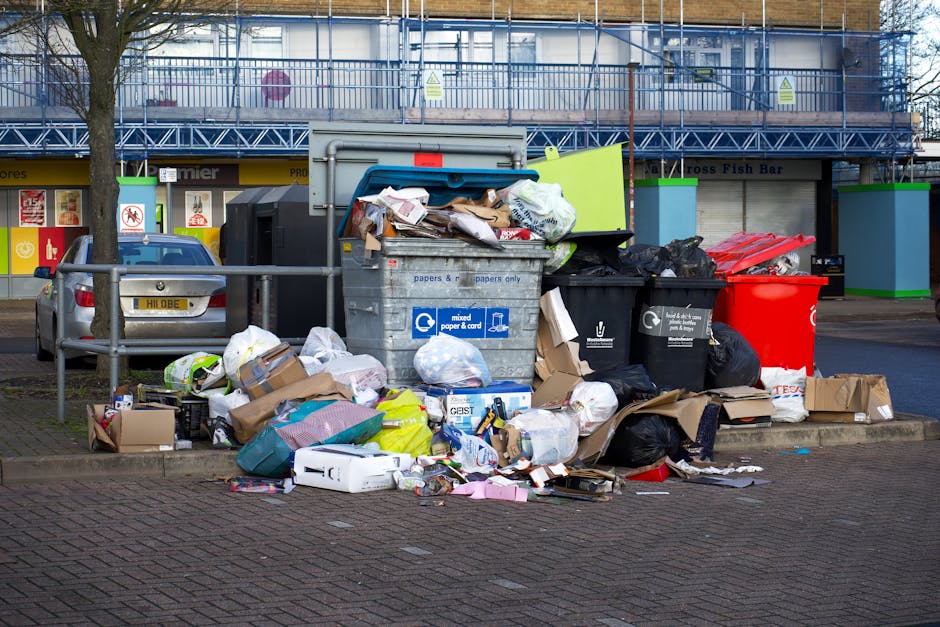






SW6 house clearance and rubbish removal cost guide
Posted on 06/08/2026

SW6 House Clearance and Rubbish Removal Cost Guide
If you are pricing up a flat clearance, a bulky waste collection, or a full property clear-out in SW6, the numbers can feel annoyingly vague at first. One quote sounds low, another feels high, and somewhere in the middle is the real cost you actually need to understand. This SW6 house clearance and rubbish removal cost guide breaks the subject down in plain English, so you can see what affects pricing, what to expect, and how to avoid paying for more than you need. Whether you are clearing a rented flat, dealing with a probate property, or simply trying to get rid of a pile of clutter before a move, the details matter.
Truth be told, most people do not need a lecture on waste. They need a practical answer: what will this cost, and what is the smartest way to do it? That is exactly what this guide is for.
Why SW6 house clearance and rubbish removal cost guide Matters
SW6 covers a mix of homes and property types, from compact flats and mansion blocks to larger terraced houses and commercial spaces. That variety matters because no two clearances are priced the same. A lift-free top-floor flat with a narrow staircase is a very different job from a driveway-access property with bags ready at the front gate. In practice, the cost often reflects access, volume, labour, disposal fees, and how quickly the work needs to happen.
That is why a clear pricing guide is useful. It helps you spot fair quotes, compare like with like, and avoid that awkward moment where a cheap estimate grows legs once the team arrives. You know the sort of thing. A simple pile of furniture somehow becomes "special handling."
For local homeowners, landlords, tenants, and estate agents, the real value is clarity. You can plan around moving dates, rental check-outs, probate timelines, or renovation starts without guessing. If you want a broader look at the services available locally, the services overview is a sensible starting point, and the pricing and quotes page can help you understand how estimates are usually handled.
How SW6 house clearance and rubbish removal cost guide Works
At a basic level, pricing usually follows the amount of waste, the type of waste, and the effort involved in removing it. That sounds simple, but the details matter.
Most jobs are priced using one of a few common approaches:
- Volume-based pricing: the amount of space your items take up in a van or truck.
- Item-based pricing: useful for bulky items such as sofas, mattresses, wardrobes, or white goods.
- Labour-plus-disposal pricing: often used for full clearances where sorting and lifting take time.
- Fixed quotes after assessment: common for larger house clearances or more awkward jobs.
In SW6, access has a surprisingly big effect. Third-floor walk-ups, basement flats, tight mews entrances, or limited parking can increase time on site, which may affect the final price. A job that looks small on paper can become a two-person carry job very quickly. And yes, that changes things.
Waste type also matters. Mixed household items, general junk, garden waste, builders' rubble, and electrical items are not all treated the same way. For example, a load with only clean reusable furniture may be simpler to sort than a mixed pile containing broken furniture, textiles, and old appliances. If your clearance includes renovation debris, the dedicated builders waste disposal service may be more suitable than standard household rubbish removal.
For property owners dealing with bigger clean-outs, house clearance tends to be more involved than a small rubbish collection. You might be dealing with attic contents, shed clutter, soft furnishings, or mixed rooms that need sorting before anything is removed. In those cases, a specialist house clearance in Fulham is usually the more practical route.
Key Benefits and Practical Advantages
A well-planned clearance is not just about getting rid of stuff. Done properly, it can save time, reduce stress, and keep the property moving toward its next use. That matters whether you are prepping a sale, ending a tenancy, or finally clearing out the garage after years of meaning to sort it.
- Less stress on moving day: fewer items left to tackle at the last minute.
- Faster property turnaround: useful for landlords, agents, and sellers.
- Safer lifting and carrying: especially for heavy or awkward items.
- Better sorting and disposal: recyclable and reusable items can be separated more easily.
- Cleaner presentation: a clear space simply feels better. You notice it straight away.
There is also a practical financial angle. If you know how quotes are built, you can decide whether to combine jobs or split them. For example, it may be cheaper to clear a whole room at once than to book several small removals over a few weeks. On the other hand, if you only need one mattress and a broken wardrobe removed, a smaller load may be more economical. That is where a proper cost guide helps instead of guesswork.
Local sustainability is another upside. Many households want to avoid sending everything straight to landfill, and that is fair enough. If you are thinking about reuse, recycling, and the environmental side of the job, the site's recycling and sustainability information is worth a read.
Who This Is For and When It Makes Sense
This guide is useful for more people than you might think. In SW6, the most common situations usually fall into a handful of categories.
- Homeowners clearing clutter before a sale, renovation, or downsizing move.
- Landlords needing a fast turnaround between tenancies.
- Tenants wanting to avoid end-of-tenancy stress and last-minute overfill.
- Executors or family members managing a probate clearance.
- Estate agents preparing a property for photos or viewings.
- Businesses disposing of unwanted office furniture or mixed waste.
It also makes sense if you are comparing a one-off rubbish removal with a full clear-out. Sometimes the best choice is a targeted removal of bulky items; sometimes the smartest move is a full clearance so the property is ready in one visit. If you are unsure which direction to go in, the rubbish removal option is usually better for smaller loads, while more complex projects may suit waste clearance in Fulham.
A quick example: imagine a second-floor SW6 flat with an old sofa, two wardrobes, a dismantled bed, and several sacks of mixed clutter. A single collection can often be much simpler than hiring separate services for each item. It is not glamorous, but it works. And honestly, the stairs will thank you.
Step-by-Step Guidance
If you want the most accurate quote, the process usually becomes much smoother when you prepare a little before booking. Not a big production. Just enough to give a clear picture.
- List everything that needs removing. Separate furniture, bags, appliances, garden waste, and builders' waste if they are all present.
- Check access. Note stairs, lifts, parking restrictions, gated entrances, or narrow hallways.
- Estimate volume honestly. A small pile can expand quickly once sorted. Everyone underestimates it a bit, to be fair.
- Identify anything reusable or sensitive. Documents, photos, valuables, and sentimental items should be removed first.
- Ask how the price is calculated. Make sure you understand whether the quote includes labour, disposal, and loading time.
- Compare like for like. A cheaper quote with hidden extras is not always a saving.
- Confirm timing and access arrangements. Especially important if the building has limited parking or restricted hours.
If you are planning around a move or a property listing, timing matters more than people expect. A clearance done the day before photography can transform how a place feels. The rooms suddenly breathe a bit.
If you want to understand the company behind the service before booking, the about us page gives you a clearer sense of approach and values. That kind of background is helpful when you are trusting someone with a property full of belongings, not just bins and bags.
Expert Tips for Better Results
Most cost-saving advice is obvious once you hear it, but in the middle of a stressful week it is easy to miss the obvious. Here are the tips that genuinely help.
- Sort before you book. A quick tidy-through often reduces the final volume.
- Separate recyclables where practical. Clean metal, cardboard, and certain furniture can sometimes be easier to process.
- Keep access clear. Moving items to one room or a ground-floor point can save labour time.
- Bundle jobs together. If you also have garden waste or office furniture, combining services can be more efficient.
- Take photos for quoting. This helps avoid misunderstandings and back-and-forth.
- Book with realistic timing. Rushed same-day jobs can be convenient, but they may not be the cheapest option.
Another good habit is to think in categories, not just in "stuff." Sofas, mattresses, broken appliances, renovation rubble, and old paperwork all move through the job differently. A simple category list can sharpen the quote immediately. It sounds small, but it helps.
For bulky items specifically, the local bulky rubbish collection guidance for New King's Road can be a useful read if you want to understand how same-day removal often fits into a busy SW6 schedule.

Common Mistakes to Avoid
This is where people often spend more than they need to, or end up frustrated on the day.
- Using a quote without enough detail. If the provider has not seen photos or understood access, surprises can follow.
- Mixing everything together. Builders' rubble, furniture, garden waste, and household waste may be handled differently.
- Leaving the sorting until collection day. That slows things down and can increase labour time.
- Forgetting parking restrictions. In London, this one catches people out a lot.
- Choosing only on price. The lowest quote is not always the best value if it excludes disposal or loading.
- Not checking what must stay. Personal paperwork, keys, and valuables should be removed before the team arrives.
A small but common issue in SW6 is underestimating how awkward a property layout can be. A long internal corridor or tight stairwell can turn a two-minute carry into a slow, careful job. That is not a problem, but it should be reflected in the quote. Being upfront saves everyone a headache.
And if the clearance relates to an office, you will likely want a different set of considerations altogether. The office clearance service is a more relevant match than standard domestic rubbish removal for desks, chairs, and workplace fittings.
Tools, Resources and Recommendations
You do not need fancy tools to prepare for a clearance. A bit of practical organisation goes further than people expect.
- Sticky notes or labels: mark what is going, what is staying, and what should be handled carefully.
- Phone camera: use clear photos for the quote request.
- Large bags or boxes: useful for loose items, paperwork, and small mixed clutter.
- Measuring tape: helpful when checking bulky furniture or access tight spots.
- Basic inventory list: especially useful for probate or landlord clearances.
For readers comparing services, the most useful resources on the site are usually the service pages and policy pages that explain how jobs are handled, paid for, and carried out safely. The payment and security details and insurance and safety information can be particularly reassuring if you are booking a larger or more sensitive clearance.
One more practical recommendation: if you are in a rush, do the photos in daylight. Early morning or late evening pictures often hide volume and access issues. A bright room, even if slightly messy, tells the story better.
Law, Compliance, Standards, or Best Practice
Waste removal in the UK is not just about moving items out of sight. There are proper expectations around legal disposal, duty of care, and responsible handling. You do not need to become a legal expert, but you should expect any provider to operate sensibly and keep waste moving through legitimate disposal routes.
As a customer, the safest best practice is simple:
- use a service that is transparent about what happens to your waste
- avoid anyone offering suspiciously low pricing with no explanation
- keep records of what was removed if the job is part of a tenancy, sale, or probate process
- separate hazardous or specialist items where possible and ask how they should be handled
If you are clearing a property after a difficult period, it is also worth being careful with personal paperwork, financial records, medication, and sentimental documents. Not everything should go straight into a skip-like pile. A slower first pass can save trouble later.
For environmental expectations, many customers now look for reuse and recycling where practical. That is sensible. Not every item will be reusable, but decent practice should include sorting, recovery, and responsible disposal wherever possible. If you want a fuller overview of the company's approach, the sustainability page is the best fit.
Options, Methods, or Comparison Table
Different jobs call for different methods. A quick comparison can help you decide what is most cost-effective.
| Option | Best for | Typical strengths | Possible drawbacks |
|---|---|---|---|
| Single bulky item collection | One or two large items | Fast, simple, usually lower effort | Not ideal for mixed or larger loads |
| Standard rubbish removal | Mixed household waste, small clear-outs | Flexible, practical for everyday jobs | Can become less efficient if volume is high |
| House clearance | Whole rooms, multiple rooms, probate, downsizing | More comprehensive, better for larger jobs | Usually more involved and time-consuming |
| Builders' waste disposal | Renovation debris and heavier waste | Suited to construction and DIY projects | Not the right fit for general household clutter |
| Garden waste removal | Green waste, branches, soil-related debris | Useful after landscaping or seasonal tidy-ups | Not ideal for furniture or mixed indoor waste |
If your job sits between categories, that is normal. A half-clearance can still be the most sensible choice. For example, many SW6 residents book a general collection first, then tackle garden waste or leftover rooms later. No need to do everything in one heroic weekend unless you truly enjoy that sort of chaos.
Case Study or Real-World Example
Here is a realistic SW6 scenario. A landlord needs a two-bedroom flat cleared between tenancies. The property has a lift, but it is small, and there are three bulky items: a sofa, a bed frame, and a wardrobe. There are also several bin bags of mixed clutter, some kitchenware, and a couple of broken chairs.
The useful bit is not the exact price, because that will vary. The useful bit is how the quote would likely be shaped:
- bulk items increase handling time
- mixed bags add volume
- lift access reduces some labour, but not all
- sorting reusable or recyclable material can improve efficiency
- clear photos reduce the chance of a site-surprise
In a case like that, a full house clearance-style quote is often more practical than trying to itemise every object. The landlord gets a clearer picture, the job is faster to book, and the property can move back onto the market sooner. That is the real value. Not just "getting rid of things," but getting the place back into use.
For properties in busier parts of Fulham, local access can matter even more. If you are near retail frontages or mixed-use streets, the article on rubbish removal for Fulham Broadway flats and shops gives a good sense of how access and property type can shape the job.
Practical Checklist
Use this checklist before you request a quote or book a visit.
- List every item or waste type that needs removing
- Separate furniture, appliances, bags, and garden or builders' waste
- Take clear photos in good light
- Check stairs, lifts, parking, and any access limits
- Remove valuables, documents, and personal items first
- Ask whether the quote includes labour, loading, and disposal
- Confirm the timing and estimated arrival window
- Ask what happens to reusable or recyclable items
- Make sure the property is safely accessible on the day
- Keep any final instructions written down, just in case
That last one sounds basic, but it helps. A short note on the table or a message with access details can stop the kind of small misunderstanding that derails a perfectly ordinary job.
Conclusion
The smartest way to approach SW6 house clearance and rubbish removal is to think clearly about volume, access, waste type, and timing before you book. That is what turns a confusing estimate into a fair, workable plan. A good quote should feel understandable, not mysterious. You should know what you are paying for, why it costs that much, and what is included.
For many people in Fulham and the wider SW6 area, the best outcome is not the cheapest headline price. It is the right service, at the right scale, with no hidden fuss. Whether you are clearing a flat, emptying a house, or shifting bulky waste after a move, a little preparation goes a long way.
If you are still comparing options, review the service pages, check the pricing guidance, and choose the route that fits your property rather than forcing your property to fit the service. That is usually where the real saving begins.
Get a free quote today and see how much you can save.
And if the pile looks bigger than it did last weekend, well, that happens to the best of us.